

WHY ACADEMIC
LABS CHOOSE
TROSSEN

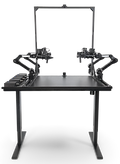
Stationary AI inferencing OpenPi 0.5 [LINK]
Academic research moves quickly, but robotics setup often does not. Too much time gets lost to integration, debugging, unclear product choices, and systems that are harder to expand than they looked on day one.
Trossen is built for teams that want to spend less time fighting infrastructure and more time collecting data, iterating on models, and advancing real research.
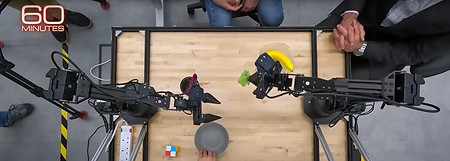
Aloha Stationary on Google DeepMind episode of 60 Minutes [LINK]
Our focus is straightforward:
-
reliable hardware that holds up under repeated use
-
support that helps you stay moving
-
AI-ready platforms for teleoperation, data collection, training, and evaluation
-
a product lineup that can support work from a single manipulator to more advanced multi-arm systems
OUR ACADEMIC
VALUE PROPOSITION
Trusted Partner
Proven hardware supporting serious robotics and physical AI research, backed by responsive support and long-term serviceability.
Ready Out-of-Box
Systems designed to help labs get to data collection, replay, and experimentation faster instead of spending months on setup.
Built to Scale with You
Start with the right platform for your current work and expand over time as projects, students, and research goals grow.
Connected
A growing ecosystem around robots, data, and workflows, with support for modern AI research pipelines and an eye toward more connected workflows over time.
OUR CURRENT
TROSSEN AI LINEUP
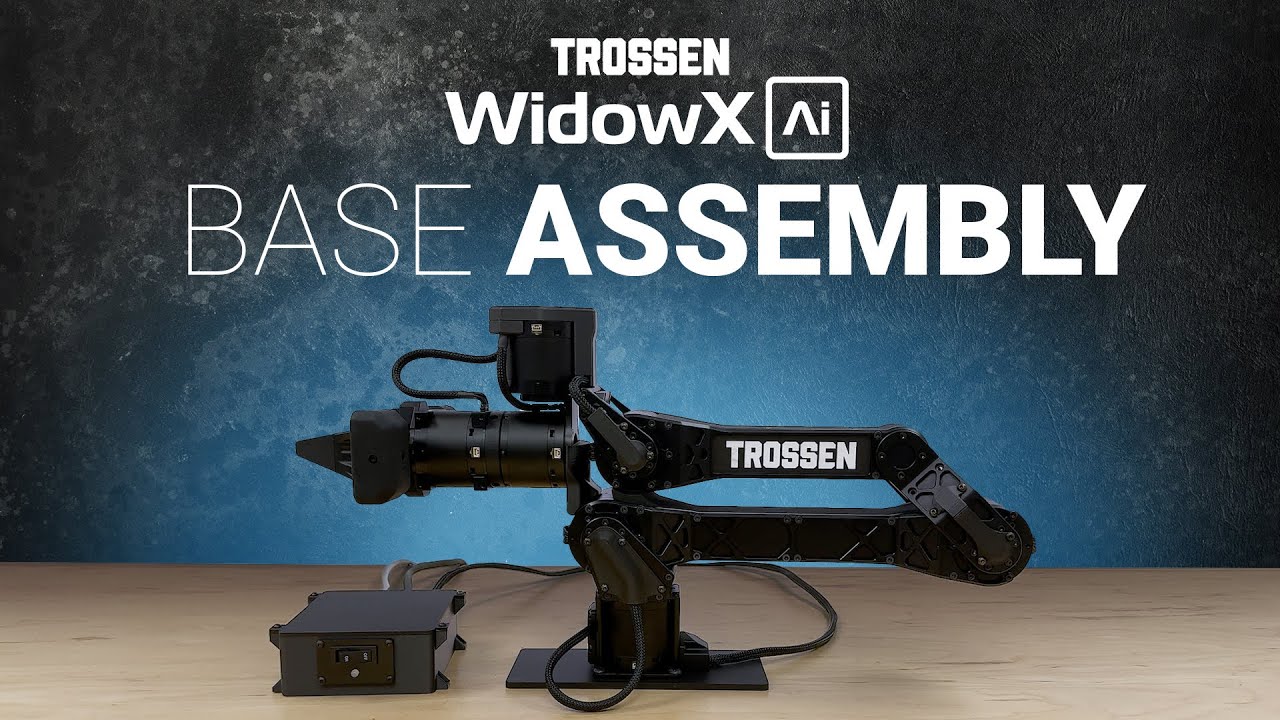
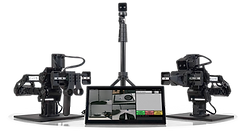
Our current AI product line is designed to support different research needs, from standalone manipulation work to more advanced teleoperation and machine learning workflows. The lineup currently includes WidowX AI, Solo AI, Stationary AI, and Mobile AI and we provide software support around Hugging Face, LeRobot, Gazebo, MuJoCo, and OpenPI.



BUILT FOR MODERN
AI WORKFLOWS
Trossen AI hardware is designed to support the workflows many labs care about most today:
-
Teleoperation
-
Dataset collection
-
Model training and evaluation
-
Manipulation research
-
Rapid iteration across hardware and software
Our current materials and documentation also support integration with modern research tooling, including OpenPI and LeRobot-style workflows, helping labs move more easily from data collection to model development and evaluation.

Hugging Face

LeRobot

Gazebo

MuJoCo

NVIDIA Issac

ROS2